A Book Plus PDF Watermark Plus QR Code Plus Short Link Plus Tracking Equals a Complete Anti Piracy System for Authors
Every independent author who has published a digital book knows the feeling. The manuscript took months, sometimes years. The editing process consumed entire weekends. The cover design went through six revisions. And then, within seventy two hours of the launch, someone posted a clean PDF on a file sharing forum. No watermark, no attribution, no way to trace where it came from. The pirated copy spread to three mirror sites within a week. The author found out through a Google alert, stared at the screen for a while, and moved on because there was absolutely nothing actionable to do about it.
That cycle repeats itself thousands of times every month across the self publishing world. Authors invest enormous creative energy into work that gets stripped of all protection the moment it leaves the storefront. DRM solutions from major distributors have proven brittle, easily circumvented by anyone with a browser and ten minutes of curiosity. The problem has never been the absence of technology to protect digital books. The problem has been that the available solutions were either too expensive for independent authors, too complex to implement without a dedicated IT team, or so aggressive that they degraded the reading experience for legitimate buyers.
What follows is a different approach entirely. It does not attempt to prevent copying, because that battle was lost years ago. Instead, it creates an unbreakable chain of traceability from the moment a PDF is generated to every single time that copy surfaces anywhere in the world. The entire system costs approximately two cents per protected copy, requires no technical expertise beyond uploading a file, and runs on tools that already exist inside a single platform.
The Chain From Manuscript to Traceable PDF
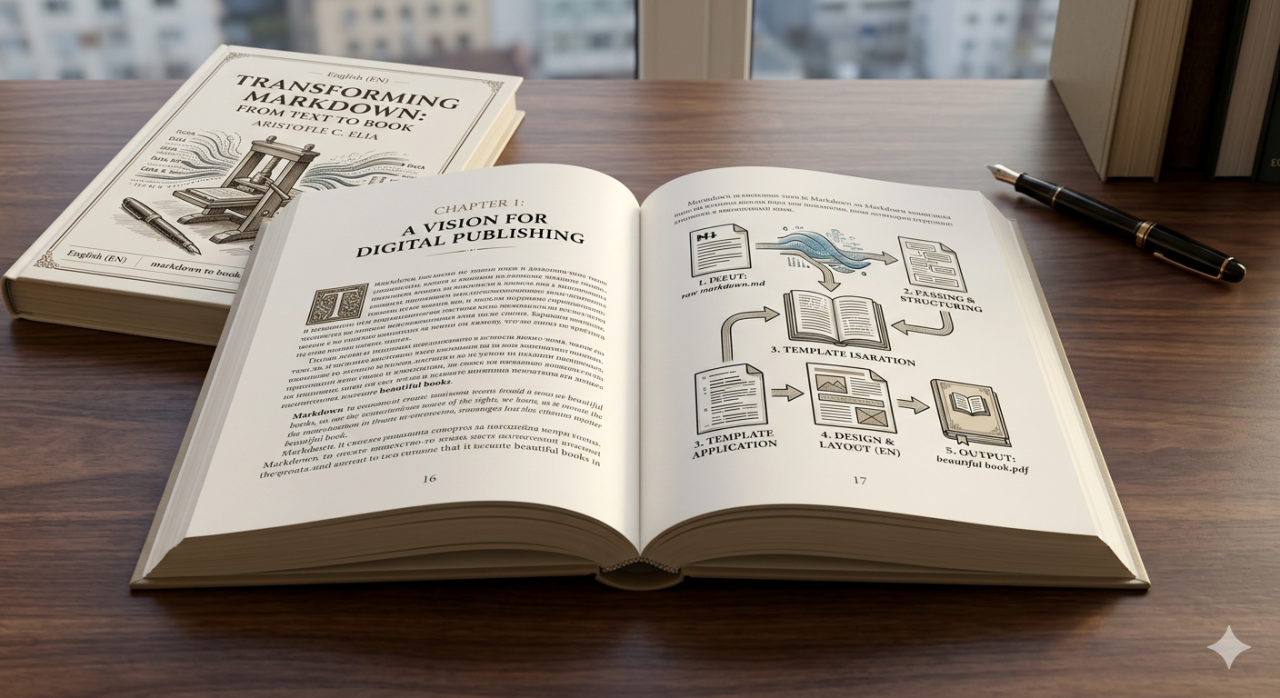
The pipeline begins at the point where a finished manuscript gets converted into a PDF. The PDF book generator handles that conversion, accepting formatted text and producing a clean, professionally laid out document ready for distribution. This step is straightforward and unremarkable on its own. What matters is what happens next, because the PDF that comes out of this stage is about to become unique to every single buyer who receives it.
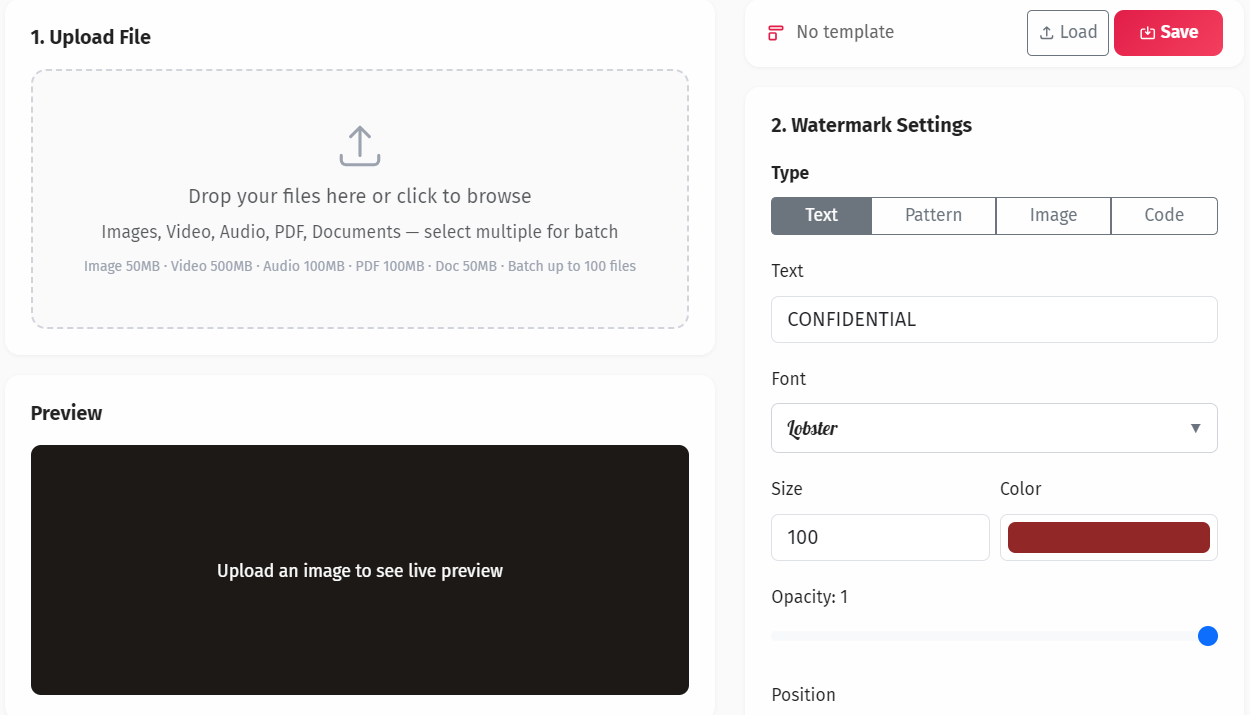
The watermark service takes that base PDF and applies a unique watermark to each copy. This is not a giant "SAMPLE" stamp splashed diagonally across every page. Modern watermarking for anti piracy purposes is subtle, sometimes nearly invisible. A small identifier can be placed in the footer of each page, or a pattern of micro dots can be embedded into the document metadata, or a visible but tasteful mark can appear on the title page. The critical detail is that each copy of the PDF receives a different watermark tied to a specific buyer or transaction. Copy number 1 has identifier A. Copy number 2 has identifier B. If copy number 2 surfaces on a piracy site three months later, the author knows exactly which transaction produced the leaked copy.
But a simple text watermark, while useful, is also removable by anyone who knows their way around a PDF editor. The next layer adds something much harder to strip out. A QR code gets generated through the QR code watermark tool and embedded directly into the PDF. This QR code is unique to the copy. It does not point to a static URL. It points to a short link that encodes an encrypted hash containing the buyer's transaction ID, the timestamp, and any other metadata the author chooses to include. The QR code sits on a page inside the book, perhaps the dedication page or a final page that says something like "This copy was prepared exclusively for its registered owner."
Short Links, Encrypted Hashes, and the Tracking Layer
The short link that the QR code points to is created through LinkHub, where every link gets full scan tracking baked in by default. When someone scans the QR code in a pirated copy, the short link registers the scan event. It captures the geographic location, the device type, the timestamp, and the referrer information. The author receives this data in their dashboard and can see exactly where copies of their book are being accessed, how frequently, and from what kinds of devices.
The encrypted hash embedded in the short link URL is the forensic backbone of the entire system. Each hash is unique and contains encoded information about the specific copy it was attached to. When a pirated PDF surfaces, the author does not need to open the file and examine watermarks manually. They can simply check which short links are generating unexpected scan activity. A link that was assigned to a single buyer but suddenly shows three hundred scans from twelve different countries tells a very clear story. The leak originated from that specific copy, and the buyer associated with it is identifiable.
This is fundamentally different from traditional DRM, which tries to prevent unauthorized access and fails. This system assumes copies will be shared, and it creates an audit trail that makes every shared copy traceable. The psychology is powerful too. A reader who knows their copy contains a unique QR code linked to their purchase is far less likely to upload it publicly than someone holding an anonymous, undifferentiated PDF file. The watermark and QR code serve as both a forensic tool and a deterrent, working on two levels simultaneously.
The entire chain runs on credits within the same platform. Generating the PDF costs a fraction of a credit. Watermarking costs a fraction. Creating the QR code costs a fraction. Setting up the short link costs a fraction. The combined cost per protected copy comes to roughly $0.02. For an author selling a digital book at $9.99, spending two cents to make every copy individually traceable is not a business expense worth debating. It is the cheapest insurance available in publishing today.
What Happens When a Pirated Copy Surfaces
The moment a pirated copy appears on a file sharing site, forum, or torrent tracker, the system begins generating evidence automatically. Anyone who downloads that copy and scans the QR code, even out of curiosity, triggers a tracking event. The author sees the scan in their LinkHub dashboard. If the QR code has been removed or damaged, the text watermark on the pages still identifies which copy was leaked. If both the QR code and the visible watermark have been stripped, the metadata watermark embedded in the PDF structure often survives because most casual pirates do not think to scrub document properties.
Multiple layers of identification mean that defeating the system requires a determined, technically skilled effort at every level. Removing the QR code from the PDF requires editing the document. Removing the page watermarks requires editing every single page. Removing the metadata watermarks requires knowledge of PDF internals that most file sharers simply do not possess. Any single layer that survives is enough to trace the copy back to its origin.
For authors who want to take action on identified leaks, the tracking data provides concrete evidence. A DMCA takedown request is significantly more effective when it includes proof that a specific copy was leaked from a specific transaction. Hosting providers and platform operators respond faster to detailed, evidence backed complaints than to generic "this is my content" claims. The difference between "someone pirated my book" and "this specific file was purchased by account X on date Y and subsequently uploaded without authorization, as proven by the embedded tracking data" is the difference between a complaint that sits in a queue and one that gets actioned.
Scaling the System for Large Catalogs and Preorders
Authors who publish multiple titles or manage small publishing operations can apply this pipeline across their entire catalog. Each book gets its own set of watermark templates. Each sale generates a unique watermarked copy with a unique QR code pointing to a unique short link. The LinkHub dashboard organizes all tracking data by campaign, which means an author with twenty titles can see scan activity across all books from a single interface without drowning in undifferentiated data.
The system works particularly well for preorder campaigns and limited distribution. When an advance reader copy goes out to fifty reviewers, each copy carries a unique identifier. If the book appears on a piracy site before the official publication date, the author knows immediately which reviewer's copy was leaked. This has practical consequences beyond piracy prevention. It informs future decisions about which reviewers are trustworthy and which should be excluded from early access. The information asymmetry shifts decisively in the author's favor.
Batch processing through the watermark service means that generating five hundred unique copies for a book launch does not require five hundred manual operations. The base PDF goes in, the buyer list goes in, and the system produces five hundred individually watermarked, QR coded, tracked copies ready for distribution. The total cost for that batch is approximately ten dollars in credits. Compare that to any commercial DRM solution, which typically charges per title per year regardless of sales volume, and the economics are not even in the same category.
The philosophical foundation of this approach matters as much as the technical implementation. It treats readers as adults rather than potential criminals. There is no software that prevents opening the book on an unauthorized device. There are no hoops to jump through just to read something that was legitimately purchased. The book opens like any normal PDF. It reads like any normal PDF. The only difference is that it carries a quiet, persistent identity that follows it wherever it goes. Honest readers never notice or care. Dishonest distributors eventually get caught.
Frequently Asked Questions
How much does the complete anti piracy pipeline cost per book copy?
The combined cost of PDF generation, watermarking, QR code creation, and short link setup comes to approximately $0.02 per individually protected copy. Credits are purchased in advance and never expire, so the cost only applies when copies are actually generated.
Can the QR code watermark be removed from the PDF?
Removing the QR code requires manually editing the PDF, which is possible but leaves the text watermark and metadata watermark intact. All three layers would need to be individually stripped, which requires significant technical effort that most casual pirates will not undertake.
Does this system prevent people from copying the book?
No, and that is intentional. Traditional DRM tries to prevent copying and consistently fails while degrading the experience for legitimate readers. This system instead makes every copy individually traceable, creating a deterrent effect and providing concrete evidence when leaks occur.
How does the tracking work when someone scans the QR code?
The QR code points to a short link through LinkHub that automatically records every scan event. Each scan captures geographic location, device type, timestamp, and referrer information. The author sees all this data in their dashboard and can identify unusual patterns that indicate unauthorized distribution.
Can this work for ebooks sold through Amazon or other platforms?
The pipeline works best for direct sales where the author controls the file delivery. For platform distributed ebooks, the retailer typically handles file delivery and may strip or alter embedded content. Authors selling directly through their own website, Gumroad, Payhip, or similar platforms have full control over the watermarked files their buyers receive.
What evidence does this provide for DMCA takedown requests?
The system provides the unique watermark identifier linking the pirated copy to a specific transaction, the tracking data showing scan activity from the leaked copy, and the encrypted hash proving the chain of custody. This level of documentation significantly strengthens takedown requests compared to generic copyright claims.